Hagere Ethiopian Restaurant · Sioux Falls

About our food.

The dishes, spices, and traditions behind the table at Hagere. Tear off a piece of injera and read on.

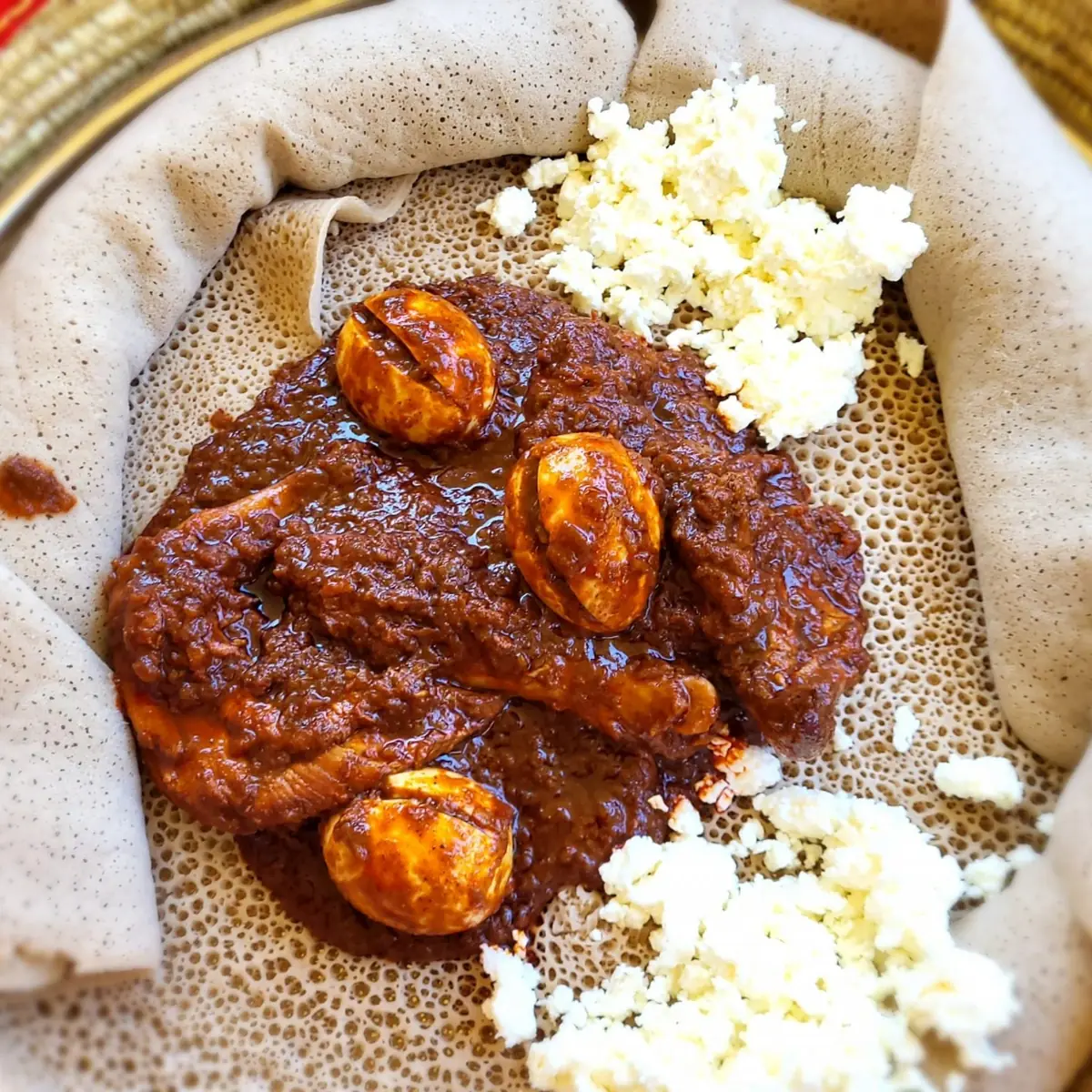
Doro wat, Ethiopian chicken stew with berbere and hard-boiled eggs on injera, at Hagere Ethiopian Restaurant in Sioux Falls

Doro wat: Ethiopia’s slow-cooked celebration stew

Doro wat is often called Ethiopia’s national dish, and it is the stew people cook when something is worth celebrating. It appears on the table at holidays such as Ethiopian Easter and Christmas, at weddings, and whenever a family wants to honor its guests.

It is a dish that rewards patience. Onions are cooked down slowly until they melt into the base of the stew, then simmered with berbere, Ethiopia’s signature chili-and-spice blend, and kibe, the spiced clarified butter that gives Ethiopian cooking its rich, aromatic depth. Chicken is added and the pot is left to simmer low and slow until the flavors come together.

Traditionally, doro wat is finished with hard-boiled eggs that soak up the sauce. It is served over injera, and you eat it by tearing off a piece of bread and scooping up the chicken, the sauce, and a bit of egg in a single bite.

Slow-cooked stews like this are the heart of Ethiopian hospitality: food made to be shared and enjoyed without hurry. At Hagere Ethiopian Restaurant in Sioux Falls, our Doro Wat is chicken simmered in kibe, berbere, and onion, served the traditional way. It pairs well with a combination platter, a side of injera, and good company.

See the menu
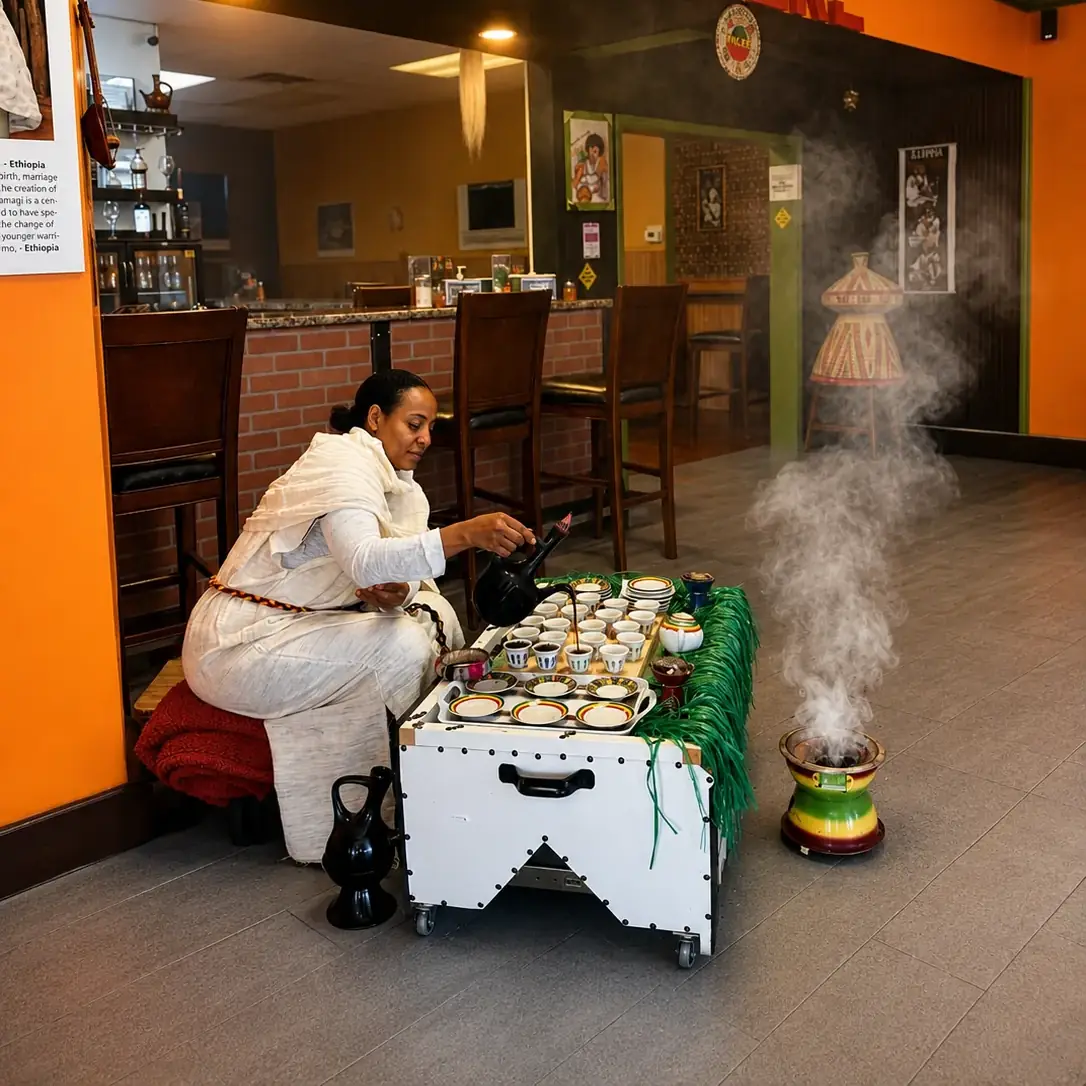
Traditional Ethiopian coffee ceremony with a clay coffee pot, small cups and incense smoke at Hagere Ethiopian Restaurant in Sioux Falls

Buna: the Ethiopian coffee ceremony

Ethiopia is widely considered the birthplace of coffee, and in Amharic the word for it is buna. In Ethiopia, coffee is not a grab-and-go drink. It is a ritual of welcome, and the coffee ceremony is one of the most important ways people spend time together.

In a traditional ceremony, green coffee beans are roasted over a flame while guests watch and the aroma fills the room. The beans are ground by hand, then brewed in a round-bellied clay pot called a jebena, often alongside the smoke of incense. The coffee is poured in a steady stream from a height into small handleless cups.

Guests are traditionally served three rounds, called abol, tona, and baraka. Each round is a little milder than the last, and the third is considered a blessing. Staying for all three is part of the welcome, because the point is the company as much as the coffee.

The same spirit shapes the dining experience at Hagere Ethiopian Restaurant in Sioux Falls. Traditional Ethiopian coffee served from a clay pot is listed on our menu, and it is a fitting way to end a meal. Settle in, share a table, and let the conversation stretch a little longer.

See the menu
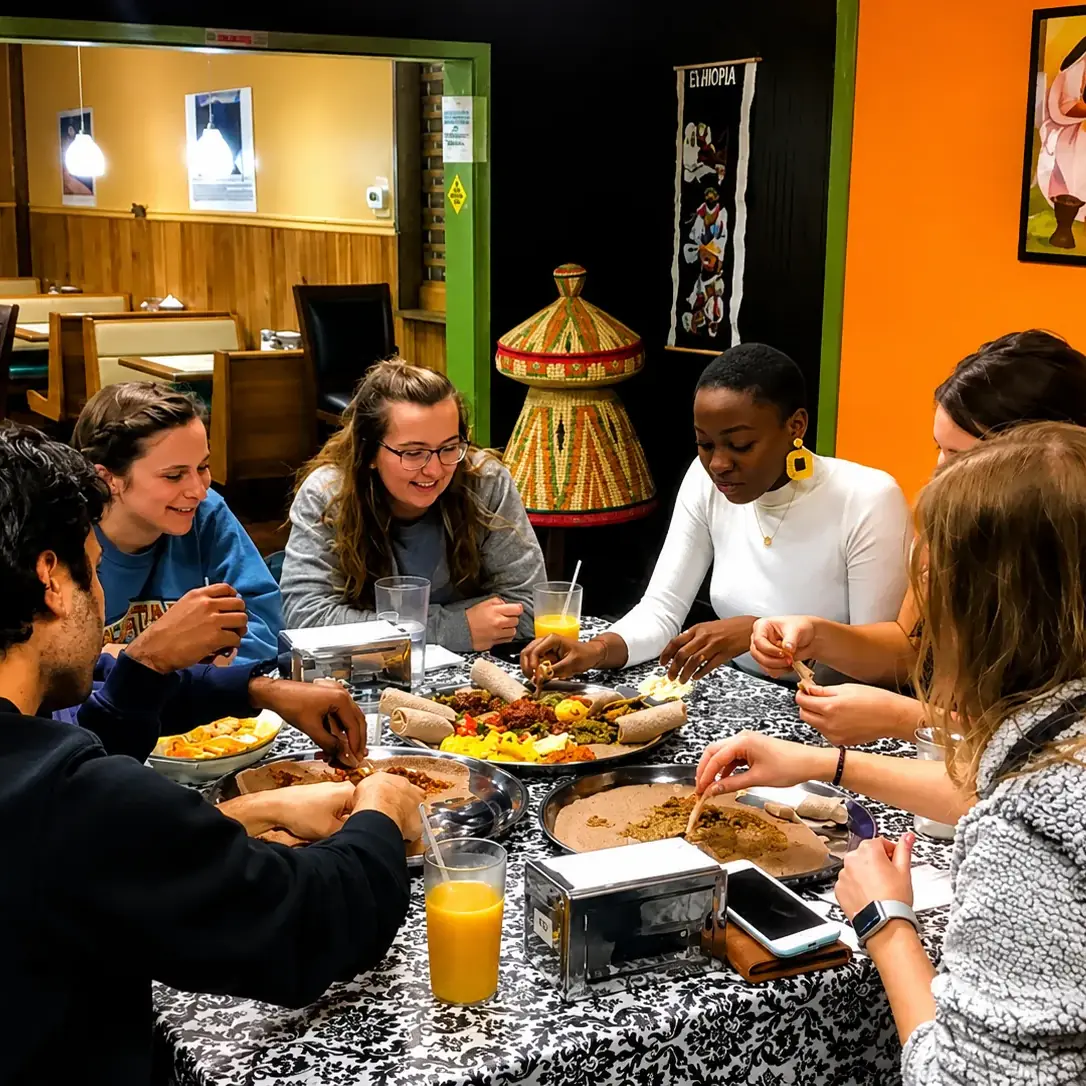
Guests sharing injera and Ethiopian dishes family-style at Hagere Ethiopian Restaurant in Sioux Falls

Gursha: the Ethiopian tradition of feeding someone you love

In Ethiopia, one of the warmest things you can do at the table is offer someone a gursha. It means taking a bite of food, wrapped in a piece of injera, and placing it gently into the mouth of the person beside you.

Gursha is a gesture of love, friendship, respect, and hospitality. Hosts offer it to guests, parents to children, friends and couples to each other. It is often said that the bigger the gursha, the stronger the bond, and accepting one graciously is part of the custom.

It grows out of the way Ethiopian food is served. Instead of individual plates, dishes are arranged together on a shared round of injera, and everyone eats from the same platter with their right hand. Dining family-style turns a meal into a shared experience, where no one eats alone and conversation is part of the course.

At Hagere Ethiopian Restaurant in Sioux Falls, our combination platters are made for exactly this kind of meal. Bring your family, your friends, or someone you want to impress, tear off a piece of injera, and offer them a gursha.

See the menu
Hagere Exclusive combination platter of Ethiopian meat and vegetable dishes on injera at Hagere Ethiopian Restaurant in Sioux Falls

World Food Day: share the Hagere Exclusive

World Food Day, observed every October 16, is a reminder that food connects people around the world. You do not need a plane ticket to join in. In Sioux Falls, a table at Hagere is a short drive from Ethiopia’s kitchen.

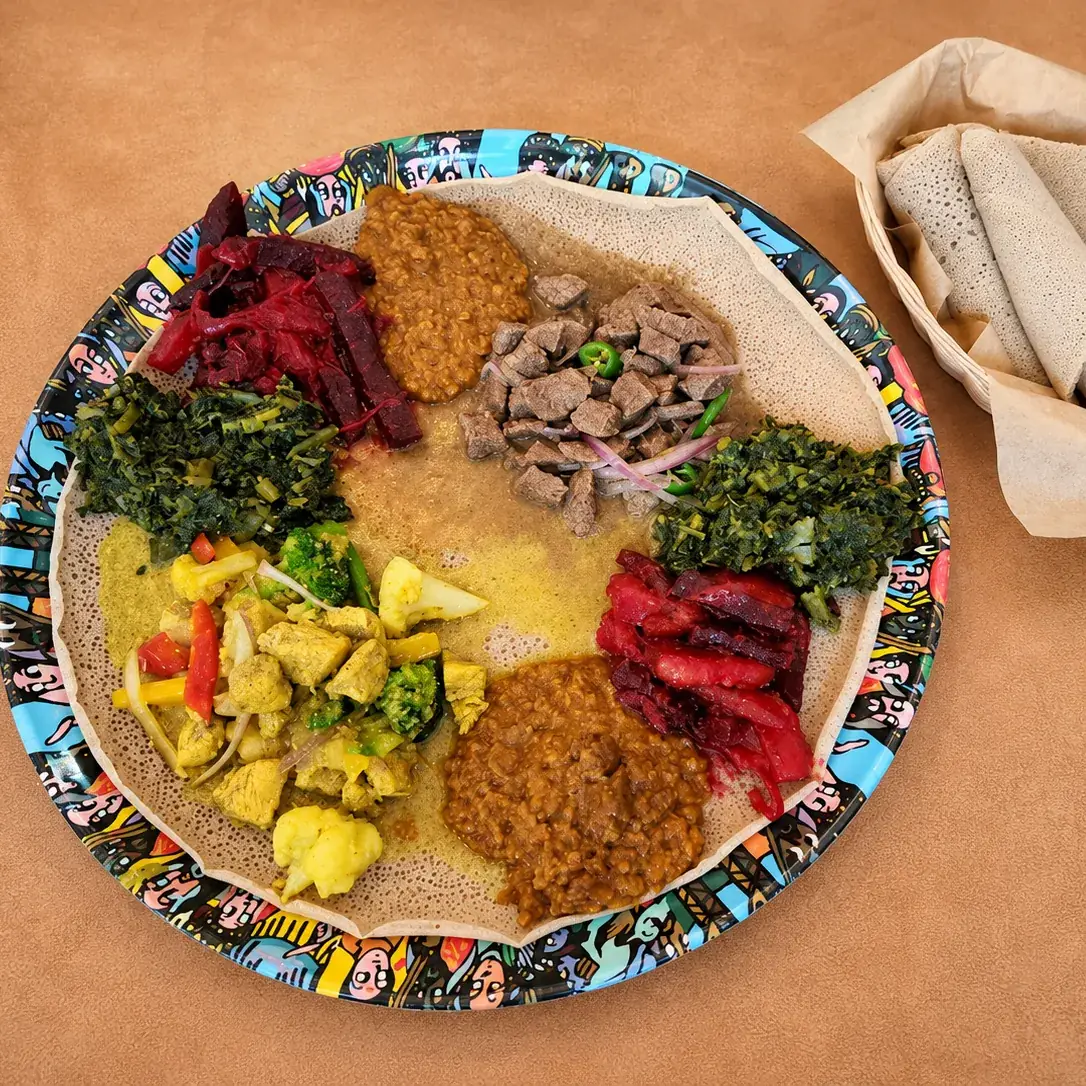
Start with the Hagere Exclusive, our house signature: a combination of meat and vegetable favorites served together with injera. It is the easiest way to try several Ethiopian dishes in one sitting, with something for meat lovers and vegetable lovers alike.

It is also made for sharing, which is exactly how Ethiopian food is meant to be eaten. Dishes arrive together on a shared round of injera, and everyone eats from the same platter, tearing off a piece of injera and scooping up a bite with the right hand. Eating this way turns a meal into a conversation.

This World Food Day, try something new. Bring a friend or the whole table, share a platter, and eat the Ethiopian way, together.

See the menu
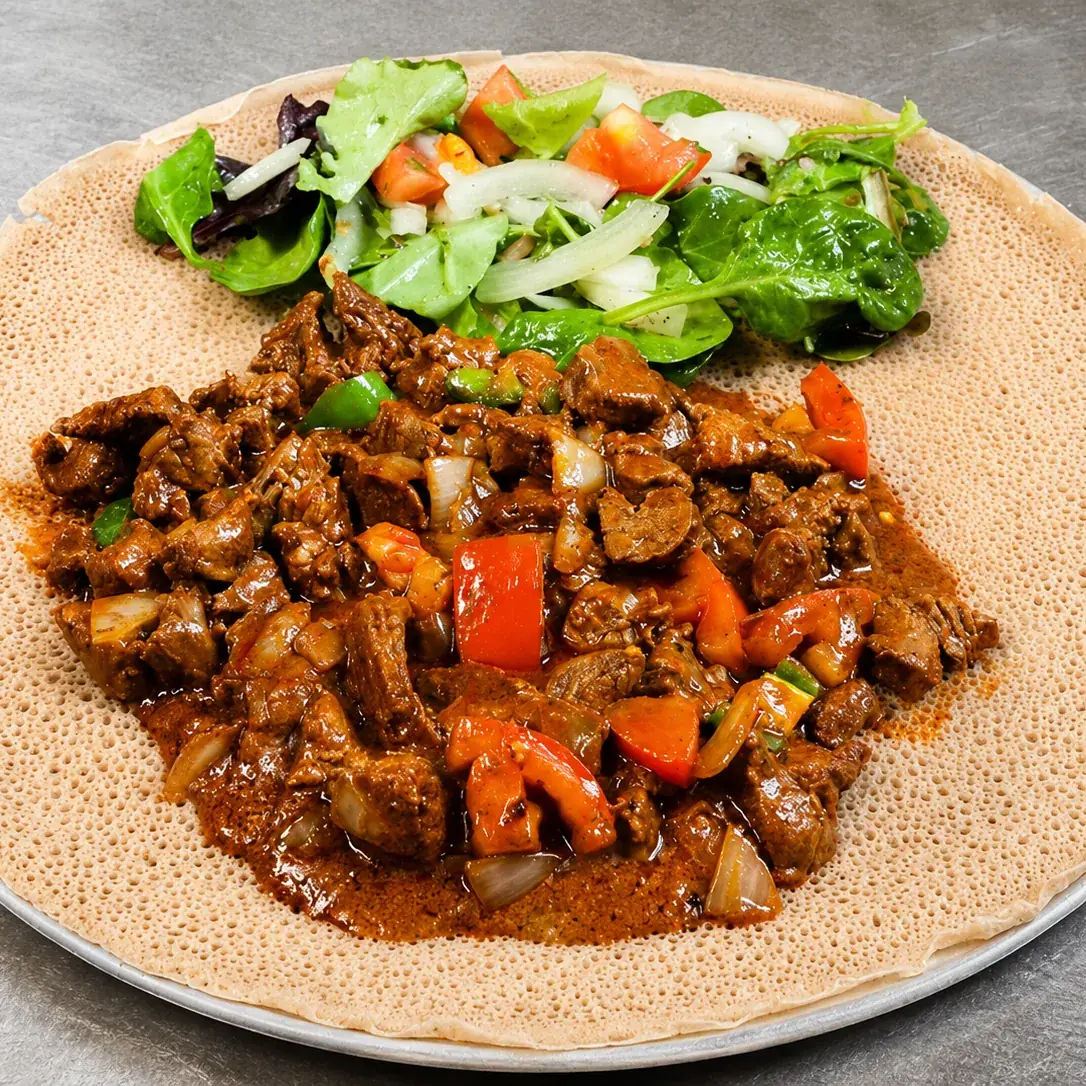
Yawaze tibs, spicy Ethiopian beef tibs made with awaze and berbere, served on injera at Hagere Ethiopian Restaurant in Sioux Falls

Berbere: the spice blend behind Ethiopian cooking

If one ingredient defines Ethiopian cooking, it is berbere. This deep red spice blend starts with dried red chili peppers and builds from there with garlic, ginger, fenugreek, Ethiopian cardamom (korarima), and a long list of other warm spices. Every family and every kitchen has its own balance.

Berbere does not just bring heat. It brings depth: smoky, warm, slightly sweet, and earthy all at once. It is the foundation of the slow-simmered Ethiopian stews called wat, from doro wat and key sega wat to misir wat made with red lentils and shiro wat made with ground peas.

It is also the base of awaze, a fiery red paste made by mixing berbere with a little liquid. Awaze is what gives Yawaze Tibs its kick. At Hagere, our Yawaze Tibs is spicy pan-fried beef cubes with jalapeños, onion, and fresh rosemary, finished with awaze and served with selata and injera.

If you like bold flavor, order it as is. Easing into Ethiopian spice? Balance the heat with a mild side like yekik alicha or tikil gomen, and tear off some injera to taste what berbere is all about.

See the menu
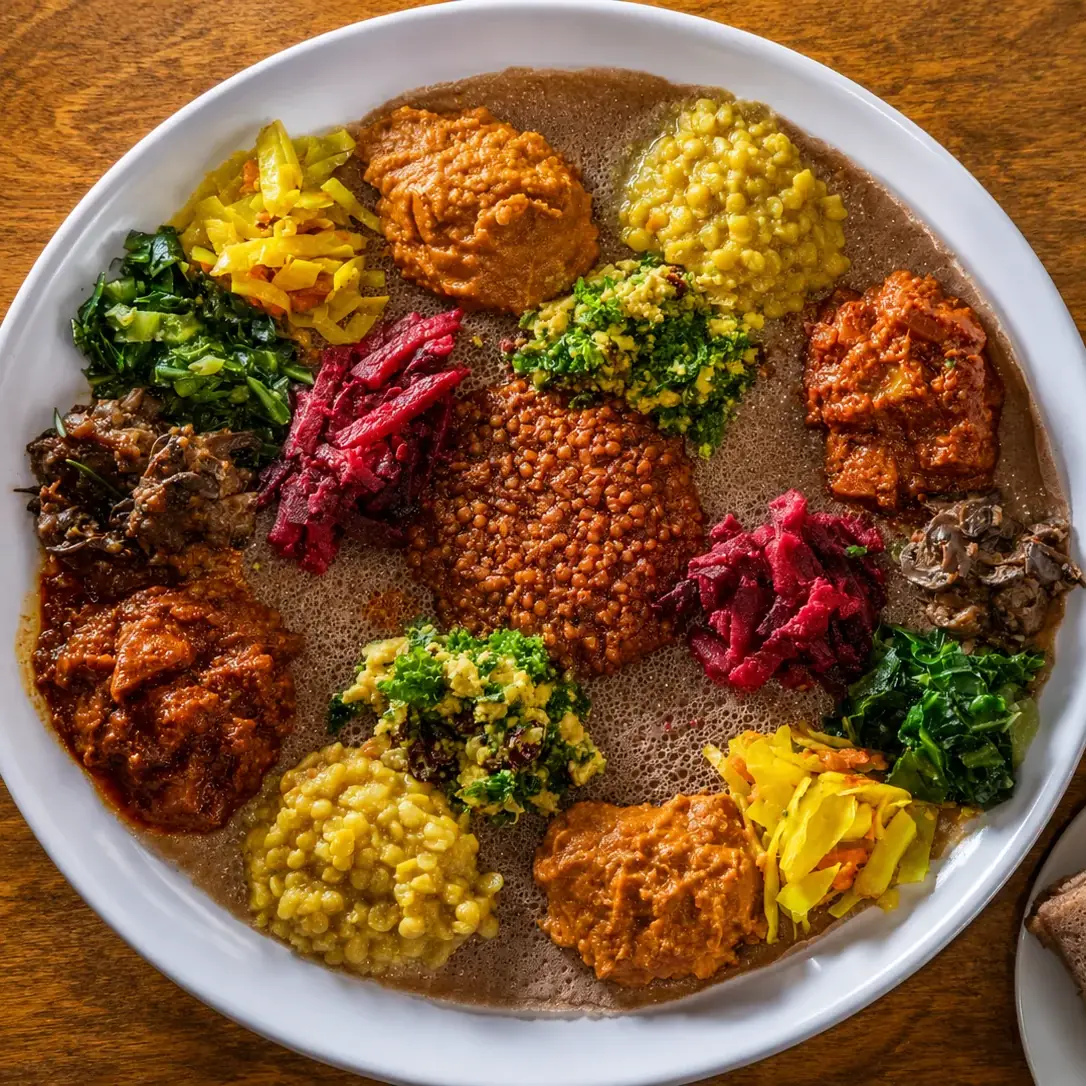
Vegetarian Exclusive platter with gomen collard greens, lentils, split peas and beets on injera at Hagere Ethiopian Restaurant in Sioux Falls

Gomen and the Ethiopian way of eating plants

Gomen is one of Ethiopia’s most-loved dishes: chopped collard greens, close cousins of kale, cooked with fresh garlic and onion until tender and full of flavor. It is simple, deeply savory, and a natural partner for injera.

Gomen also points to something bigger. Ethiopian cuisine has one of the world’s richest plant-based traditions. In the Ethiopian Orthodox Christian faith, believers observe many fasting days, including most Wednesdays and Fridays and the long fast of Lent, when meals are made without meat and dairy. Cooks built a whole table of lentil, split pea, bean, and vegetable dishes to fill those days, and many of them are vegan by tradition.

The result is a platter that is anything but plain. Our Vegetarian Exclusive brings together azifah, shiro wat, misir wat, gomen, fosolia, tikil gomen, and yekik alicha, garnished with selata and served on injera. Each dish is seasoned on its own: spicy red lentils beside mild yellow split peas, tender greens beside bright cabbage, carrots, and potatoes.

Whether you eat vegetarian every day or just want to try something new, it is one of the best ways to taste Ethiopian food in Sioux Falls. Looking for a fully vegan meal? Let us know when you order and we will point you to the right dishes.

See the menu
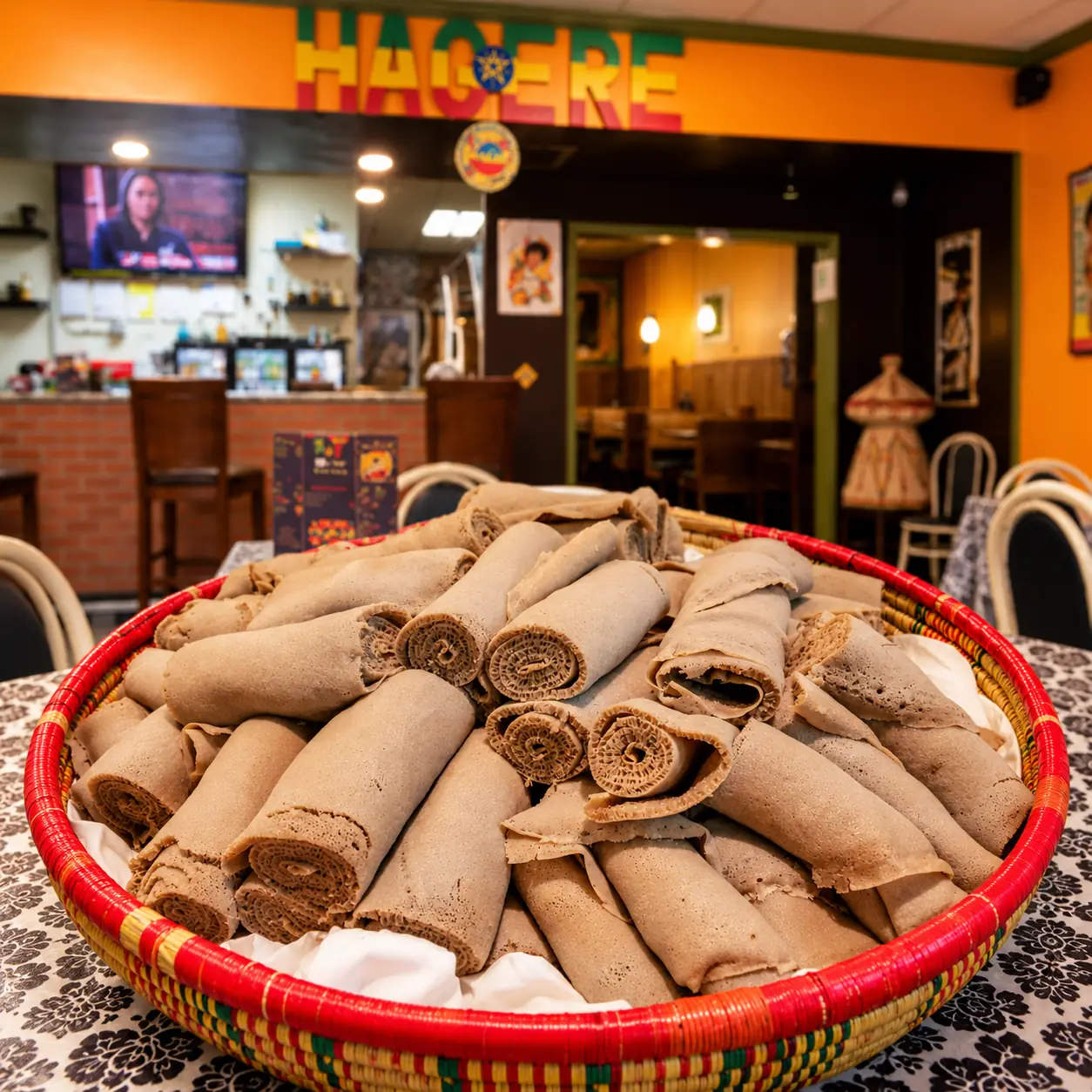
Basket of rolled injera, Ethiopian sourdough flatbread, at Hagere Ethiopian Restaurant in Sioux Falls, South Dakota

Injera: the bread everything is served on

Injera is the soft, spongy, slightly sour flatbread at the center of every Ethiopian meal. It is traditionally made from teff, a tiny, nutrient-rich grain that has been grown in Ethiopia for thousands of years. It is the first thing you notice when a plate arrives: a wide round of injera, topped with stews, vegetables, and salads.

Traditional injera starts as a thin batter that is left to ferment for a few days. That slow fermentation gives it a gentle tang and its signature honeycomb of tiny bubbles, which are perfect for soaking up sauce. The batter is poured onto a hot griddle and cooked on one side only, so the top stays airy and the underside stays smooth.

That is why Ethiopian food is eaten with injera rather than silverware. Injera is the plate, the spoon, and the side dish all at once. You tear off a piece with your right hand, wrap it around a bite of doro wat, tibs, lentils, or gomen, and eat it together. The injera underneath soaks up the juices as you go and becomes the best bite of the meal.

At Hagere Ethiopian Restaurant in Sioux Falls, injera comes with our dishes and combinations. Ours is an Ethiopian sourdough flatbread made from teff and wheat flour. New to Ethiopian food? Order a combination, tear off a piece, and dig in.

See the menu